Theory-Conditioned
Prompt Engineering Study

In-silico Experimentation, Automated Natural Language Processing
Applied Artificial Intelligence

Intelligent Workflow Optimisation
and Process Automation

DOCTORAL

Research Overview

A computer monitor and laptop displaying Swift code and a programming tutorial
Doctorate
DBA
2025 - 2028

Improving AI Replies to Negative Online Reviews: Comparing Perceived Justice, and Resource Exchange/Mental Accounting Prompt Architectures

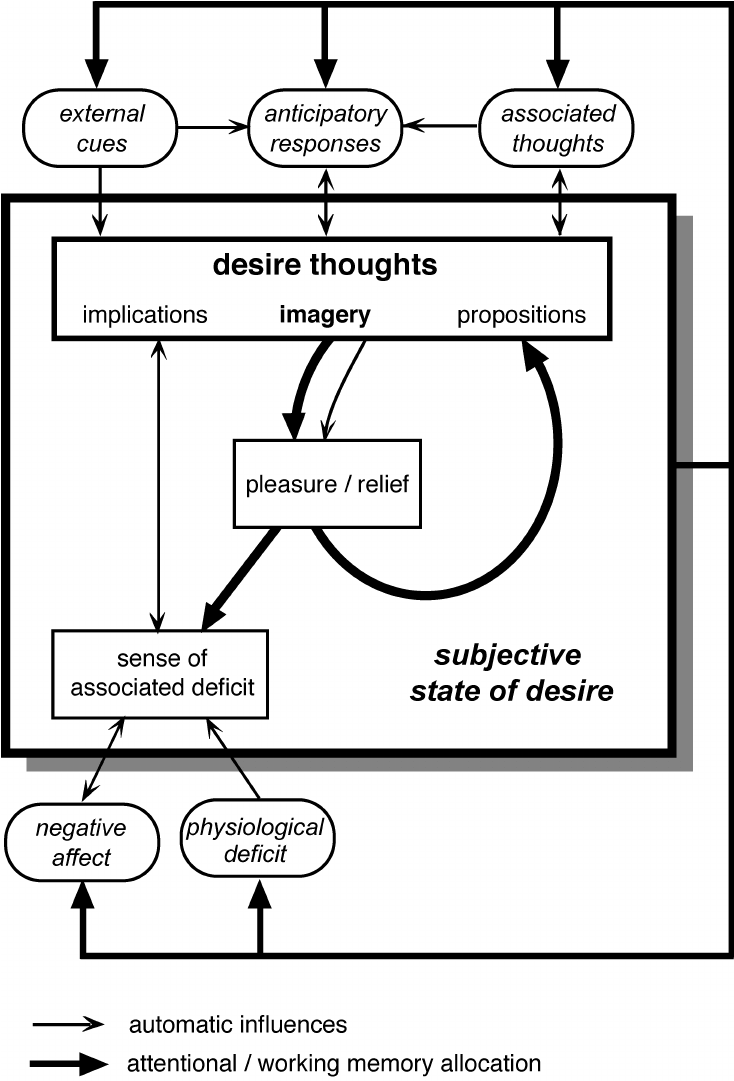
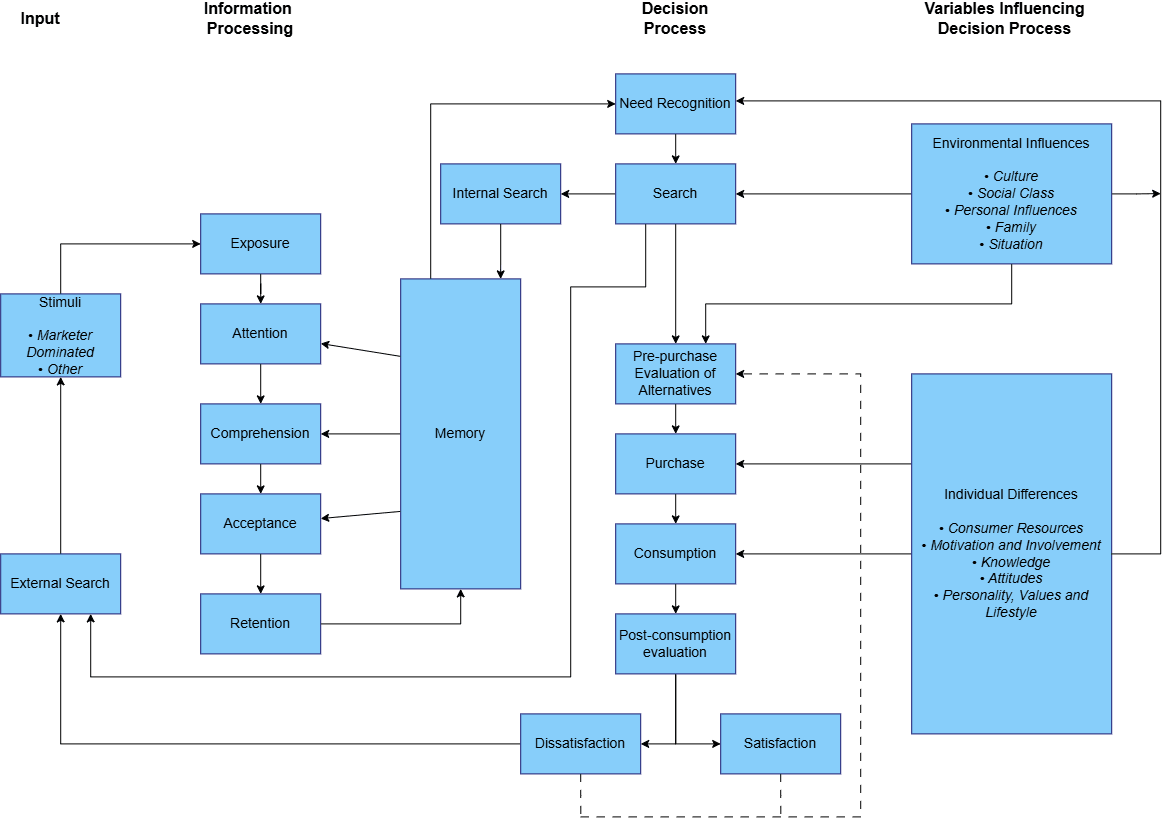
This research study tests whether training an LLM on proven customer recovery psychology frameworks, namely Perceived Justice (covering all fairness bases at once) and Resource Exchange & Mental Accounting (matching the fix to a specific type of issue) would help the tool generate more tailored, sincere, and effective replies to negative online reviews.


Static Badge

DoctorAL

Research Outcomes

DBA

Problem Statement

Business that use LLMs to respond to negative reviews face four hurdles. First, human managers may not have the resources to write personalised replies to every complaint, leading to defaulting to copy-pasted replies or burnout. 

Second, when businesses turn to AI for assistance with crafting replies, they typically give the LLM simple, unguided instructions such as ‘Respond to this review with a polite apology.’ This leads to repetitive, cookie-cutter messages across multiple reviews that expose the use of AI and project disingenuity. 

Third, business may fail to adjust their methods based on the type of complaint (using the same AI instructions or template for everything) or their replies may not fully satisfy what a customer perceives to be a fair and wholistic addressing of their concerns. 

Fourth, a poor response to a negative experience, whether due to burnout, or using AI or a template, can ‘go viral’ leading to a long-lasting negative reputation for a business. Several services offer packages to provide automation, but using out-sourced tools come with additional risks to the business.

cos_white

This research adheres to Transparency and Openness Promotion Guidelines (TOP), a policy framework for advancing open science practices.

DBA

Outcomes

  1. (For Businesses) An open access plain-English guide containing the winning AI system prompts and decisions rules.
  2. (For Businesses) the objective scoring code and dataset with replicable scripts that businesses can use to audit their implementations
  3. (For Academia) A peer-reviewed academic publication which is a condensed copy of the study and its findings.
DBA

Supervisors

  • Dr. Max Chipulu (Primary)
    Associate Dean Research and Innovation, AI Expert & Mechanical Engineer


  • Dr. Jamie Thompson (Secondary)
    Research Lead for the Marketing Group, Marketing Expert
DoctorAL

Positivist Research Outputs

DBA

AI System Prompt Templates

Ready-to-use system prompts that business can insert directly into their automation tools to draft high-quality replies to customer complaints.

Static Badge

DBA

Decision Rules

Clear guides on whether an ‘overall fairness checklist’ prompt (Perceived Justice) or a ‘match-the-issue’ diagnostic prompt (Resource Exchange/Mental Accounting) would work better for different types of complaints.

Static Badge

DBA

Testing Plan

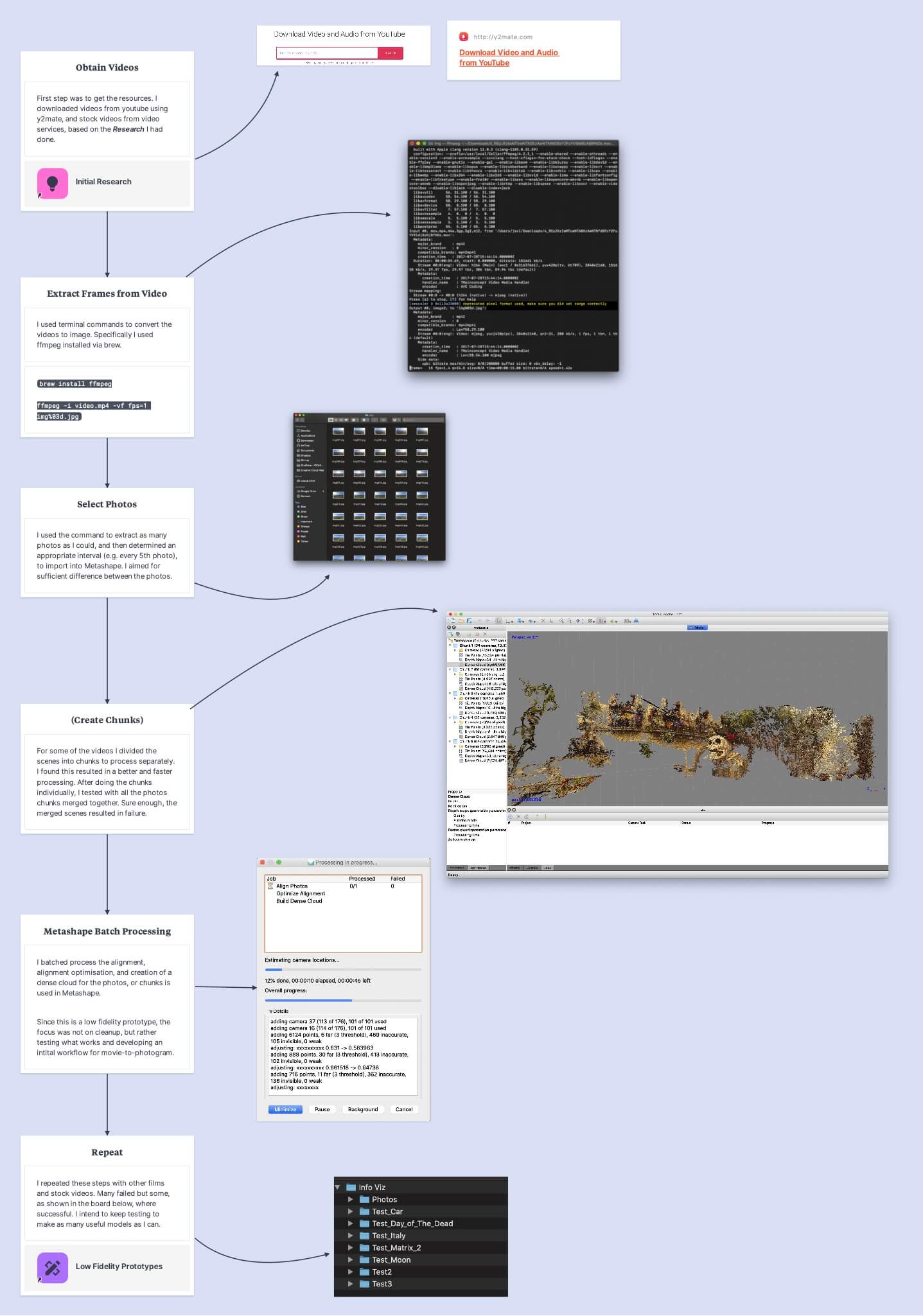
An open-access detailed plan for developing an audit for an AI Response System before a business deploys on live customers, using automated text-scoring.
Static Badge

DBA

Positivist Research

This dissertation adopts a positivist approach. Positivist research is a scientific approach that treats the world as an objective reality that can be measured mathematically through cause-and-effect experiments.

The methods are utilised: Automated Natural Language Processing (NLP) Text Analysis, and Computational Experimentation.
This research follows the Association of Internet Researchers (IRE 3.0) guidelines for handling personally identifiable information in big data research and AI, and APA Style JARS–Quant reporting standards.
DoctorAL

Research Methods & Process Work

CREATIVE

Research Methods,
Timeline, Standards
and Process Work

DOCTORAL

Research Knowledge Mobilisation & Impact

Small-to-medium-sized businesses that do not have the budget for a dedicated public relations team would find the findings of this research useful as it provides an open-access, science-backed method to upgrade their use of AI to help manage customer service duties. These businesses will be able to respond to complaint in seconds without sounding cold or automated. 

The results of the study will also help reduce costly mistakes like offering unnecessary refunds when a properly framed apology would be better suited, or empty platitudes when a customer requires a solution. Academically, this research bridges classic customer service psychology with modern AI prompt design to make it more human-centered.

Doctoral

Research Metadata

Research Disciplines (DBA)

Services Marketing, Computational Marketing Science, Applied Artificial Intelligence, Consumer Psychology, Natural Language Processing

Areas of Research (DBA)

Service Failure And Recovery, Online Reputation Management, Electronic Word Of Mouth, Prompt Engineering, Marketing Text Analytics

Fields of Application (DBA)

Hospitality Management, Retail Customer Service, Customer Experience Operations, Brand Reputation Management, Digital Marketing Communications

Key Terms (DBA)

Perceived Justice Theory, Resource Exchange Theory, Mental Accounting, Large Language Models, In-Silico Experimentation